The Moving Formula: A UK Shopper's Guide to CBD Reformulation and Product Substitution
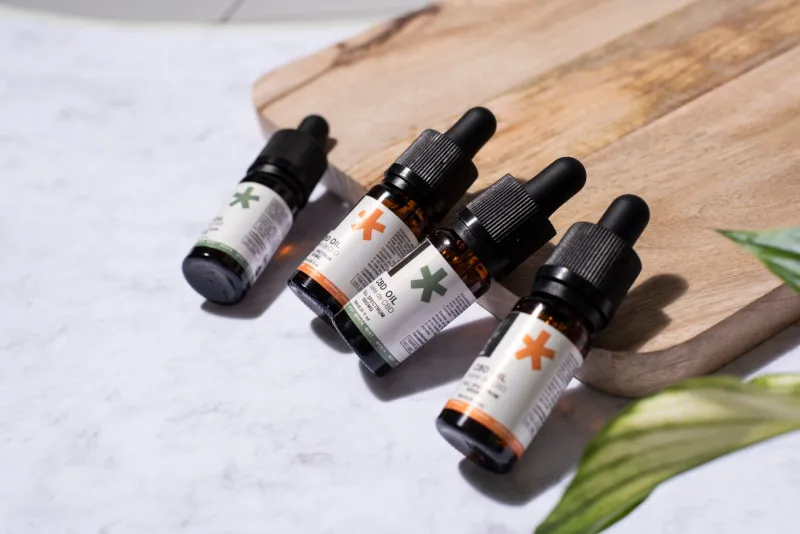
A familiar bottle missing from the shelf is an increasingly common experience in the UK CBD market. A retailer may have sold out, a manufacturer may have revised a formula, or a product may have been withdrawn while its paperwork is updated. For the shopper, the practical question is not why the bottle has moved, but what to do next. The answer is to treat reformulation as a buying decision in its own right: compare the numbers, check the batch information and change one variable at a time.
Why CBD Products Change More Often Than You Might Expect
CBD is not a stable, homogenous commodity. Hemp plants vary, extraction methods differ and manufacturers standardise batches to meet a declared cannabinoid content. A product may be reformulated because a carrier oil has changed, a flavour has been adjusted, a supplier has altered its extract or a company has revised its compliance position. Discontinuation can follow commercial decisions, packaging changes or the demands of the UK novel food process.
Since the novel food route was applied to CBD extracts, products marketed as food supplements have needed to sit within a regulatory framework overseen by the Food Standards Agency. In 2026, the novel food register remains a useful reference point, but it is not a quality mark. A listing indicates that a product has entered a process; it does not guarantee that every batch is identical, well tested or suitable for every user. Nor does removal from a shelf automatically mean a product was unsafe. The more common explanation is administrative, commercial or logistical.
Read the Cannabinoid Declaration, Not the Front Label
The front of a CBD bottle is designed to reassure. The back of the label is where the useful information sits. When a product changes, compare the declared cannabinoid content rather than the brand name or the phrase 'high strength'.
Look for the total CBD content in milligrams, the volume of the bottle and the serving size. A 10 ml bottle described as 10% CBD should contain around 1,000 mg of CBD in total. If a serving is 0.5 ml, that is approximately 50 mg per serving. If the new bottle contains 800 mg in the same volume, or if the serving size has changed, the practical dose has changed too. A shopper who continues to use the same number of drops may unknowingly take less, or more, than before.
Also check whether the product declares CBD alone or CBD alongside CBDA and other cannabinoids. Full-spectrum, broad-spectrum and isolate are not interchangeable categories. A move from a full-spectrum oil to an isolate is a meaningful change, even if the total CBD figure looks similar. The same applies to products that add minor cannabinoids or terpenes: these are formulation changes, not decorative details.
Carrier Oils and Excipients: The Quiet Variables
The carrier oil is not an inert afterthought. MCT oil, hemp seed oil and olive oil behave differently in taste, texture and tolerability. A reformulation from one carrier to another may explain a change in mouthfeel, aftertaste or digestive comfort. It may also alter how the product is absorbed, although the evidence for specific absorption claims is often thinner than marketing suggests.
Check the excipient list for flavourings, sweeteners, preservatives and added terpenes. If you have allergies or sensitivities, compare the old and new labels directly. If you are taking medication, a change of carrier or added ingredient is worth mentioning to a pharmacist, particularly if you have experienced interactions or side effects before.
'Same Label' Is Not a Batch Guarantee
A product can look identical while the contents differ. Batch codes and best-before dates are the shopper's first defence. A credible manufacturer should be able to provide a batch-specific certificate of analysis (COA) showing cannabinoid content and, where relevant, tests for THC, heavy metals, pesticides and microbial contamination. A generic COA that is not tied to the batch in your hand offers weaker assurance.
When a product arrives in new packaging, take a photograph of the old label before discarding it. Compare the cannabinoid declaration, serving size, carrier oil and batch code. If the retailer cannot explain what has changed, treat the product as new rather than familiar. That is not suspicion for its own sake; it is simply good purchasing practice.
Verify the Legal and Regulatory Position
In the UK, CBD products sold as food supplements should be capable of being placed on the market lawfully. The FSA novel food register is one part of that picture. Check whether the product or brand appears on the register, but do not treat inclusion as a verdict on quality. Similarly, do not treat a lack of inclusion as proof of illegality without checking the product category and the retailer's explanation. CBD is also regulated differently depending on whether it is presented as a food, a cosmetic or a medicine. If a product makes medicinal claims, that is a separate regulatory question.
For UK shoppers, the practical rule is to buy from retailers who can answer basic questions in writing: What is the cannabinoid content? What is the batch number? Can you provide a batch COA? Is the product on the novel food register? Vague answers are a reason to pause.
A Cautious Switching Protocol
When a trusted product disappears, resist the urge to substitute on brand loyalty alone. Compare products by cannabinoid content, carrier oil and serving size first. Then switch one variable at a time.
Start at a lower dose than you might expect, particularly if the new product is more concentrated or uses a different carrier. Keep a simple diary for a week or two: dose, time, product name, batch code and any noticeable effects. Avoid changing other supplements, alcohol intake or sleep routines at the same time, or you will not know what caused any change. If you take prescription medication, are pregnant or breastfeeding, or are considering CBD for a child, seek advice from a pharmacist or GP before switching.
Do not rely on claims about 'entourage effects' or 'bioavailability' to justify a higher dose. The evidence base is still developing, and product-specific claims should be treated with caution. A calm, incremental approach is more useful than a dramatic one.
When to Stop and Seek Advice
If a new product causes unexpected side effects, worsening symptoms or symptoms that concern you, stop using it and seek advice from a healthcare professional. Keep the packaging and batch number. If you suspect an adverse reaction, reporting it through the appropriate UK scheme helps build a clearer picture for everyone.
The shelf will keep changing. The method for assessing a replacement need not. Compare the numbers, ask for batch evidence and change one thing at a time. That is a more reliable guide than any promise on the front of a bottle.