The Cupboard Is Not a Climate: A 2026 UK Winter Storage Audit for CBD
CBD products are often bought with reasonable care and then stored with very little. A bottle may be chosen for its verification page, its batch number or its milligram price, only to spend the next three months beside a radiator or on a windowsill that alternates between sunlight and condensation. As winter 2026 settles in, it is worth treating storage as part of product quality rather than an afterthought.
The difficulty is that labels are concise. They may give a best-before date and a line such as store below 25°C, away from direct sunlight. Those instructions are a baseline, not a prediction. They cannot account for an opened bottle, a steamy bathroom, a kitchen that swings between cold and hot, or the habit of moving a product in and out of the fridge. This article separates what is reasonably well established from what has become storage folklore.
What the label can and cannot tell you
A best-before date is usually calculated for an unopened product kept under stated conditions. Once the seal is broken, oxygen enters the container and the practical clock changes. Every opening exposes the contents to air and, depending on the room, to humidity. A label cannot tell you how often the bottle has been opened, whether the dropper has touched a kitchen worktop, or whether the cupboard above the kettle has been gently cooking the oil for weeks.
This is not a reason to distrust labels. It is a reason to read them as one part of a wider routine. Useful labels will state storage conditions, batch information and a best-before date. Less useful labels leave the shopper to guess. In either case, the domestic environment does much of the work after purchase.
The four ordinary enemies
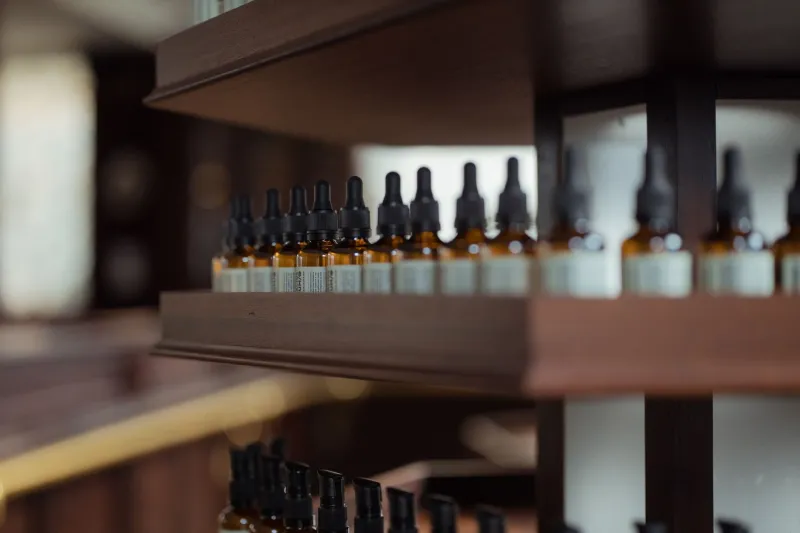
The first is light. Ultraviolet and visible light can accelerate chemical change in cannabinoids and carrier oils. Amber or opaque packaging helps, but it is not a force field. A clear dropper bottle left on a south-facing windowsill is still exposed. The second is heat. Central heating, radiators, cooker hoods and warm airing cupboards increase the rate of oxidation. A product does not need to feel hot to be warmer than its label assumes.
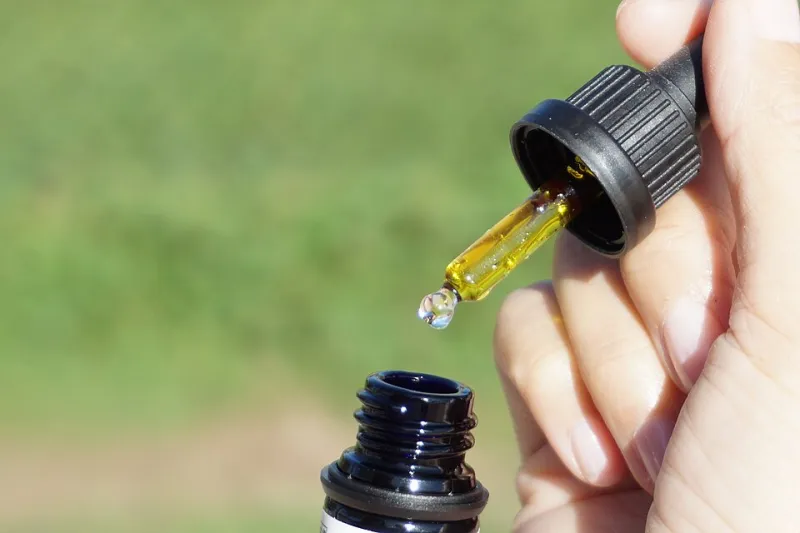
The third is oxygen. A half-empty bottle with a large headspace and a cap opened twice a day is more exposed than a full, sealed one. Droppers that are shared, wiped on a sleeve or stored loose can introduce contamination as well as air. The fourth is water. British winters are not especially dry indoors. Steam from showers and cooking, condensation on single-glazed windows and the movement of cold bottles into warm rooms all create small amounts of moisture. For oil-based products this may be less dramatic than for water-containing emulsions, but it is still a reason to keep caps tight and storage dry.
Stability evidence versus storage folklore
There is credible evidence that cannabinoids and many carrier oils degrade over time, and that light, heat and oxygen can speed that process. Formulation matters greatly. A product in a dark glass bottle with a well-sealed dropper is not the same as a permeable pouch or a loosely capped jar. Terpenes, if present, are volatile and may change the smell before the cannabinoid content changes in any obvious way. Oils can become rancid. Emulsions can separate.
What the evidence does not support is a single universal rule. The claim that the fridge is always best is too broad. The claim that an expiry date is meaningless is also too broad. A cool, dark, dry cupboard is a sensible default for many UK homes in winter. A fridge can be useful in some circumstances, but it brings its own condensation problem when a cold container is opened in a warm kitchen. Storage advice should be proportionate, not performative.
Fridge or cupboard?
Refrigeration can slow certain chemical changes, which is why it is sometimes recommended for oils. But a domestic fridge is not a laboratory. Temperatures vary between shelves, the door is opened repeatedly, and the back may be cold enough to affect texture. Coconut oil-based products may solidify; emulsions may separate; glass can become slippery with condensation. If a product is kept in the fridge, it should be tightly closed, opaque where possible, and allowed to stand sealed until it reaches room temperature before opening. That reduces the chance of moisture condensing inside the container.
For many households, a dark cupboard away from the cooker, radiator and window is the calmer choice. It avoids repeated temperature shocks. The important variables are stability and darkness, not the prestige of the storage location.
A room-by-room winter audit
- Kitchen windowsill: usually a poor choice. It combines light, draughts and condensation.
- Bathroom cabinet: avoid. Steam and humidity are not helpful, even if the cabinet is dark.
- Bedroom cupboard: often suitable if it is dry, stable and away from a radiator.
- Airing cupboard: often too warm. Check before assuming it is cosy.
- Fridge: possible, but only with a consistent spot, tight cap and condensation discipline.
- Car glovebox or boot: avoid. Temperature swings are severe.
- Hallway shelf: check for draughts, radiators and direct sun before trusting it.
A practical routine
Write the date of opening on the carton or a small label, not on the dropper itself. Keep the original packaging because it carries batch and storage information. Store bottles upright, with caps firmly closed. Avoid sharing droppers between products or touching them to surfaces. Keep all CBD products out of reach of children and pets. Check the product before use: an off smell, visible mould, a texture that has changed unexpectedly or separation that will not resolve on gentle warming are reasons to stop and seek advice from the retailer or manufacturer.
None of this guarantees indefinitely stable CBD. It simply reduces avoidable exposure. In a UK winter, the most useful storage tool is not a specialist device but a consistent, dark, dry place and a little attention to how often the bottle is opened.
The reasonable conclusion
A label can describe the product it was attached to, not the cupboard it ended up in. Treat best-before dates as useful guidance for well-kept products, not as a promise that survives a radiator, a steamy bathroom or a cold windowsill. The sensible winter routine is modest: choose a stable, dark, dry spot; avoid repeated temperature shocks; keep the container sealed; and inspect the product honestly. That is a more reliable form of care than any single storage slogan.