The Evidence Suitcase: Travelling from the UK with CBD in 2026
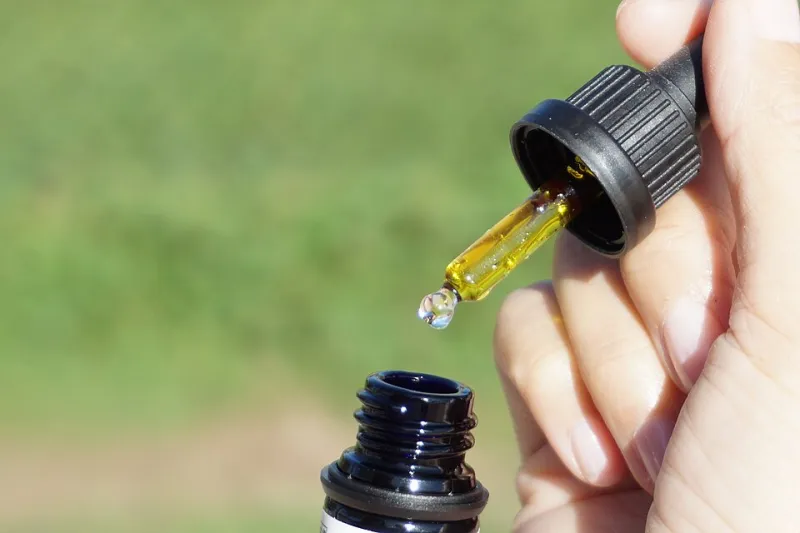
Photo: Elsa Olofsson, CC BY 2.0, via Wikimedia Commons
CBD occupies an unusual place in UK retail: it is widely sold, yet it is not a licensed medicine, and its sale is governed through the novel food framework rather than a simple consumer-products rule. That domestic position can create a false sense of reassurance. At a foreign border, a UK label, a UK receipt and a general belief that CBD is legal at home carry little weight. The practical task is not to prove that CBD is popular in Britain, but to establish whether the destination permits the specific product in your bag — and whether you can evidence what it is.
Why the UK label stops at the departure gate
Regulation is territorial. A product that is lawfully sold in the UK may be treated as a controlled substance, a medicine, a food or an unapproved novel product elsewhere. Some countries take a permissive view of low-THC hemp-derived products; others permit CBD only through a prescription or an import authorisation; a number prohibit it altogether. Transit countries matter too. A short connection through a jurisdiction with strict drug laws can expose a traveller to rules that have nothing to do with the final destination.
This is why "legal in the UK" is not a passport. Before booking, consult the destination's customs authority, its embassy or high commission in London, and the Foreign, Commonwealth & Development Office travel advice. Rules can change at short notice, so a guide written months earlier is not a substitute for a current official source. If a country's position is unclear, the prudent assumption is that carrying CBD is not worth the risk.
Three questions to settle before you fly
First, is CBD permitted for personal use at all? Second, if it is, which forms and strengths are allowed, and is there a THC threshold? Third, does the destination require a declaration, a prescription, a permit or prior approval? The answers are rarely uniform across a region. Within the European Union, for example, member states apply different approaches to hemp extracts and CBD products, so a general European impression is not enough. In the United States, federal hemp rules coexist with varied state laws. In countries such as the United Arab Emirates and Japan, a zero-tolerance or highly restrictive approach makes carrying CBD a poor idea. Australia commonly expects an import permit or prescription route for CBD products. These examples are illustrative, not a substitute for checking your own itinerary.
Airport security: liquids, labels and the awkward conversation
Airport security screening is primarily about safety, not customs law, but officers may still examine bottles and ask what they contain. Keep CBD oil in its original, sealed packaging. Do not decant it into an unmarked travel bottle. If it is a liquid in cabin baggage, observe the usual 100ml container rule and the airport's current screening requirements. Pack it so that it can be produced easily if questioned, rather than buried at the bottom of a suitcase.
A calm explanation is more useful than an indignant one. Security staff may test liquids or refer the matter to a colleague. Allow extra time if you are carrying several products. A certificate of analysis or a purchase receipt will not override a legal restriction, but it can help show that the product is what the label says. If you carry a prescribed cannabinoid medicine, keep it in its dispensing packaging with the pharmacy label intact and carry a copy of the prescription or a clinic letter. Do not assume that a security officer will recognise a brand name or accept a website screenshot as proof.
What "proof" can reasonably look like
No paperwork can turn an unlawful import into a lawful one. What documentation can do is reduce ambiguity about the product's identity and your purpose in carrying it. A useful evidence pack might include the original product label showing the brand, batch number, CBD content, THC content and ingredients; a dated certificate of analysis from the manufacturer; a purchase receipt; and, where relevant, a prescription and clinic letter. For prescribed CBD, the dispensing label and a letter from the prescribing clinician are more meaningful than a general practitioner's note that does not mention the product.
Travellers should be realistic about the limits of a certificate of analysis. It is a laboratory document, not a travel permit. It may show that a batch contains only trace THC, but the destination may still prohibit CBD in any form. A label that says "hemp" or "food supplement" is not a legal classification that every border officer will accept. If the product has no batch number, no clear cannabinoid content and no manufacturer details, it is a poor candidate for travel — and arguably a poor candidate for purchase in the first place.
Products best left at home
Unlabelled oils, homemade preparations, CBD flower, products with uncertain THC content and refillable vapes are not sensible travel companions. Some countries restrict vaping products separately from CBD, and a device can complicate an otherwise simple inspection. CBD edibles may be treated differently from oils or capsules. If the destination's rules mention only prescribed medicines, a wellness oil bought from a UK shop will not fit that category. In cases of doubt, leaving the product at home is the lower-risk choice.
A pre-trip checklist
Start four to six weeks before departure. Confirm the destination's rules and those of any transit country. Check whether a declaration, prescription or import permit is needed. Choose a sealed, clearly labelled product with a batch number and a certificate of analysis. Request the certificate and keep a digital and printed copy. Carry the original receipt. If the product is prescribed, carry the dispensing label, prescription copy and clinic letter. Keep products accessible in hand luggage where liquid rules allow. Declare them if a customs form requires it. Do not rely on a retailer's assurance that a product is "travel safe".
Finally, separate the question of evidence from the question of permission. Good documentation can make a lawful journey smoother; it cannot make an unlawful import lawful. The sensible traveller checks first, documents second and packs last. If the official guidance is ambiguous, the evidence suitcase is best left closed.