A Second Patient at the Counter: CBD, Prescription Medicines and the UK Shopper
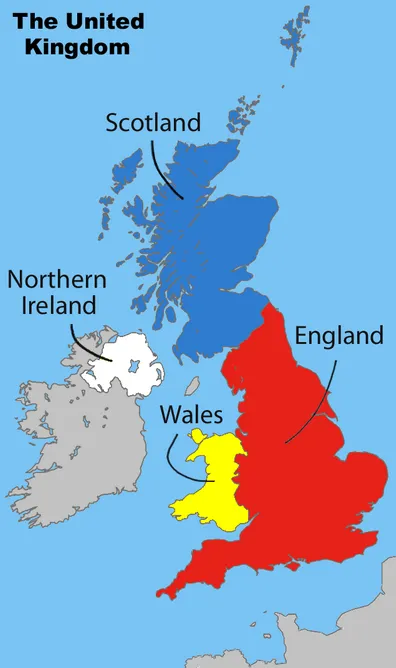
Photo: UK pharmacy counter with prescription medicines and CBD oil bottle, via s3.amazonaws.com
The label on a CBD tincture is designed to answer questions about the product: how much cannabidiol it contains, what carrier oil it uses, whether it has been tested. It is not designed to answer questions about the person holding it. A bottle can be perfectly compliant with UK labelling expectations and still remain entirely silent on the prescription medicines in the cupboard beside it. That silence is not a claim of safety. It is simply a limit of what a product label can do.
For UK shoppers in 2026, CBD is widely sold as a food supplement rather than a licensed medicine. That distinction matters. A supplement does not arrive with the interaction checks, dosing schedules or patient information leaflet that accompany a prescription drug. The responsibility for joining the dots sits elsewhere: with the shopper, the pharmacist and, where necessary, the prescriber. The practical question is not whether CBD is natural. It is whether the specific product, at the specific dose, is likely to sit comfortably alongside the specific medicines already in use.
Why the liver matters more than the label
Most CBD interactions discussed in the clinical literature centre on the liver, and specifically on a family of enzymes known as cytochrome P450. These enzymes act a little like a processing line. Many medicines pass through them and are broken down into substances the body can clear. CBD is also processed through this system, and it can affect the pace at which some of those enzymes work.
In plain English, the concern is not that CBD is inherently dangerous. It is that CBD may change the speed at which other medicines are cleared. If a medicine is broken down more slowly, blood levels can rise, which may increase the chance of side effects. If a medicine is cleared more quickly, its effect may become weaker. The size of any change depends on the medicine, the dose and formulation of CBD, the duration of use, and the individual. This is why a single blanket statement about CBD and prescriptions is not possible.
Some interactions are well recognised in specialist settings. CBD is known to affect clobazam, an anti-epileptic medicine, through a specific enzyme pathway, and this is monitored in prescribed CBD treatment. Warfarin, used for blood thinning, has a narrow therapeutic window, and any product that might alter its handling deserves a conversation with the prescriber. Certain antidepressants, blood pressure medicines and statins are also processed through pathways that CBD can influence in theory or in observed studies. The word may is doing honest work in each case.
The grapefruit warning, translated
Anyone who has collected a statin prescription will have seen the instruction to avoid grapefruit. The reason is that grapefruit can inhibit an enzyme called CYP3A4, slowing the breakdown of some statins and raising the amount circulating in the blood. CBD has also been studied as an inhibitor of certain CYP enzymes, including pathways relevant to some statins. The comparison is not exact, and a CBD product is not grapefruit. But the logic is familiar: a seemingly incidental substance can change how a medicine behaves.
This is why the statin packet warning is a useful prompt rather than a verdict. Simvastatin and some other statins carry explicit grapefruit cautions; others are less affected. A shopper does not need to memorise enzyme tables. They need to recognise that the question is legitimate, and that the answer belongs with a pharmacist who can see the whole medicine list.
What the label can and cannot tell you
A responsible UK CBD label should tell you the amount of CBD per dose, the batch number, and often the carrier oil. Many brands publish a certificate of analysis. These are useful quality signals. They are not interaction data. A certificate confirms what is in the bottle; it does not confirm how that bottle will behave with your prescription.
The word natural is equally unhelpful here. Many powerful medicines are derived from plants, and many natural substances interact with drugs. No known interactions is a claim that should be read with caution, especially when it appears on a supplement rather than in a patient information leaflet. Absence of a warning is not evidence of absence.
A pre-purchase checklist for UK shoppers
Before buying, write down every medicine you take, including over-the-counter products, herbal remedies and anything prescribed by a specialist. Note any history of liver or kidney disease, pregnancy, planned surgery, or medicines with narrow safety margins such as warfarin, epilepsy drugs, immunosuppressants or thyroid medication. Take that list to a community pharmacist and ask specifically about CBD. Bring the product label or a photograph of it, including the stated CBD content per dose. Ask whether the product is broad-spectrum or full-spectrum, since trace cannabinoids and terpenes vary. Ask whether the dose you intend to use is modest and whether you should keep a simple diary of effects.
If you are already taking a prescription medicine, do not stop or change it in order to try CBD. Do not assume that a product sold on a high street or online has been assessed for interactions. If you experience unusual drowsiness, dizziness, bruising, bleeding, changes in mood or any symptom that concerns you, seek advice. The MHRA Yellow Card scheme allows patients and professionals to report suspected adverse reactions.
The conversation has to happen elsewhere
The bottle cannot know your prescription. That is not a failing of the bottle; it is a limit of the format. In the UK, the sensible route is a short, specific conversation with a pharmacist or prescriber, supported by a clear product label and an honest medicine list. CBD may be appropriate for some people and some medicines; it may not be for others. The evidence is still developing, and certainty is often in short supply.
What a shopper can reasonably do is refuse the false comfort of silence. A product that says nothing about interactions has not cleared them. It has simply left the question open. In a market where CBD is sold alongside vitamins and teas, that distinction is worth keeping on the kitchen shelf.