The Comfortable Rut: Five CBD Habits That Feel Sensible but Deserve a Second Look
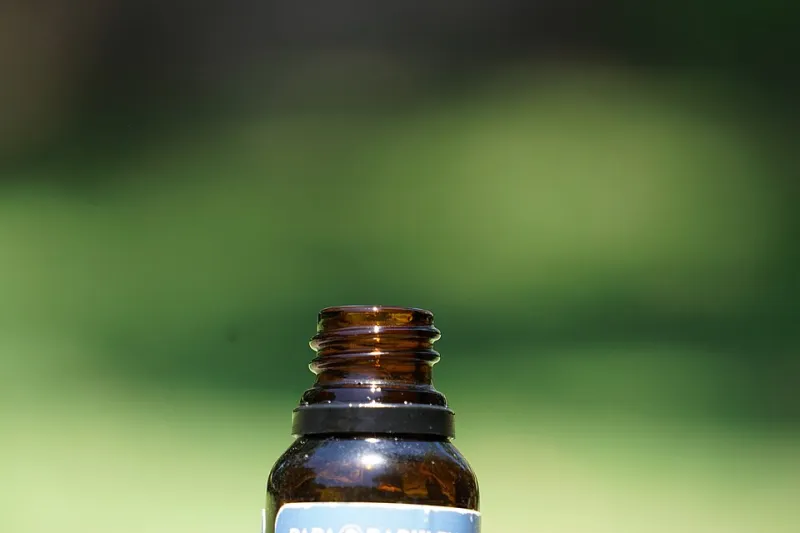
Photo: elsaolofsson, CC BY 2.0, via Wikimedia Commons
When responsible is just a feeling
CBD has settled into the UK mainstream. It appears in health food shops, pharmacies, online stores and corner shops, often with reassuring language about balance, calm and natural support. Many users develop habits that look sensible: a modest dose, a daily routine, a product from a familiar shop, careful storage. Some of those habits are genuinely useful. Others are rituals of reassurance that deserve a second look.
The aim here is not to frighten anyone or to pretend CBD is either a miracle or a menace. It is to replace comfortable habits with better methods.
1. Copying a friend's dose because your lives look similar
A friend's dose is not a prescription. Body weight, liver function, other medicines, sleep patterns, anxiety levels and the strength of the product all matter. A serving that suits one person may be too much or too little for another. UK products also vary widely in how CBD is delivered and how much is absorbed. Start low, record what you take and how you feel, and adjust slowly. If you take prescribed medicines, ask a pharmacist before making CBD a regular habit.
2. Chasing a perfect daily milligram figure
There is no universally correct daily CBD number. The right amount, if there is one for you, is the lowest amount that produces an acceptable balance of benefit and side effects. Milligram figures are often marketing tools. A bottle labelled 500mg may contain 500mg in total, not 500mg per drop or per spray. Learn to read the per-serving figure and measure with a syringe or dropper rather than guessing. Do not escalate simply because a forum or influencer claims that a much higher daily figure is transformative.
3. Assuming a health-food-shop product is gentler than a pharmacy one
A health food shop is not automatically gentler, and a pharmacy is not automatically stronger. The key questions are regulatory status, product composition and transparency. A CBD product sold in a pharmacy may still be a food supplement rather than a licensed medicine. Phrases such as pharmacy grade can be marketing rather than a guarantee. Check the label, the batch certificate, the THC content and whether the product is linked to the Food Standards Agency novel food process. Buy from sellers who answer basic questions clearly.
4. Treating natural as a reason to skip the medicine review
Natural does not mean interaction-free. CBD can affect liver enzymes that metabolise some prescribed medicines, including certain HRT products, anticoagulants, epilepsy medicines and sedatives. It may add to drowsiness. If you take regular medication, tell your GP or pharmacist what CBD product you are using and bring the label with you. Do not stop prescribed treatment to experiment with CBD. This matters especially for people managing epilepsy, mental health conditions or menopause symptoms.
5. Storing CBD like an ornament rather than a perishable product
Heat, light and air can degrade cannabinoids. A bathroom shelf, a sunny kitchen windowsill or a car glovebox is not a good home for a bottle. Store CBD cool, dark and dry, with the cap firmly closed. Check the expiry date and keep the batch details. Do not decant it into an unlabelled bottle. An old product may be weaker than expected, and a badly stored product is not a bargain simply because it is still in the cupboard.
Better habits, not perfect ones
The better approach is unglamorous: start low, keep a simple diary, buy from transparent UK suppliers, check the novel food register and batch analysis, store the product properly, review your use with a clinician, and resist the idea that CBD is a cure-all. Calm scepticism is more useful than confident routine.